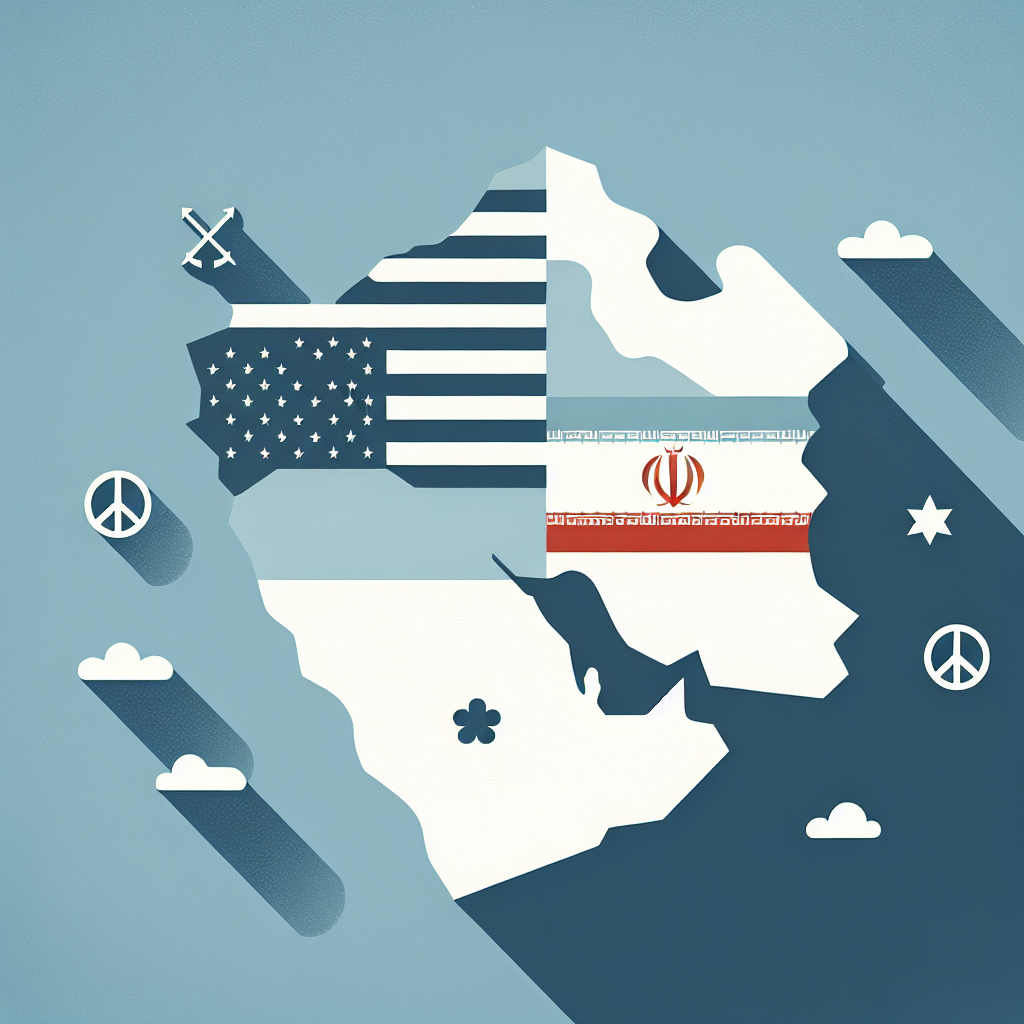
The White House clarified recent media reports about expanding a US Iran ceasefire, saying there was no formal request or agreement. The remark aims to correct confusion after several diplomatic signals in the region.
The press secretary noted that no talks had taken place to extend any pause, leaving the situation undecided as events continue to unfold.
Official statement and immediate reaction
The White House statement emphasized that no formal outreach was received asking the US to broaden a ceasefire arrangement. Officials described the reports as premature and lacking an official basis.
Although the message was concise, it drew quick attention from diplomats and analysts monitoring the region.
What the press secretary clarified
The press office said there were no negotiations or agreements to expand a pause at this time. That wording signals caution and a desire to avoid misunderstanding among partners.
How media and analysts responded
Some outlets highlighted the denial to temper earlier hopes of a wider halt in hostilities, while analysts said the comment keeps diplomatic options open without committing to a specific course.
Context: recent developments shaping the claim
In recent weeks, incidents and back-channel contacts have increased attention on possible pauses in hostilities. Regional actors and intermediaries were reported to be exploring options.
These developments created a news environment where unofficial reports spread quickly, prompting the White House to issue a clear statement.
Regional incidents and signals
- Localized clashes and exchanges raised urgency among neighbouring states.
- Third-party diplomats reportedly engaged in shuttle diplomacy.
- Humanitarian concerns pushed some actors to propose temporary pauses.
Why the denial matters
A formal acknowledgment or request would change diplomatic dynamics and possibly slow escalations. By denying talks, the administration keeps policy options flexible.
For governments, markets, and civil society, clarity about official positions reduces risk of miscalculation.
Implications for diplomacy
An absence of formal talks means negotiators must still secure mandates and backing before any pause can be expanded. Trust and verification would be central to any future deal.
Security and regional stability
Without a clear agreement, the risk of further incidents remains. Observers will watch military posture and diplomatic messaging closely in the coming days.
What to watch next
Look for follow-up statements from other governments, movements by envoys, and any changes in rhetoric from Tehran or Washington.
Trackable signs include travel by senior diplomats, official meeting announcements, and coordinated humanitarian efforts that often precede formal arrangements.
Indicators of possible progress
- Formal requests or notes exchanged between capitals.
- Public or private confirmations from mediators involved in talks.
- Agreed timelines or monitoring mechanisms announced alongside any pause.
As events evolve, official clarifications like the recent White House message help separate speculation from verified diplomatic steps and allow observers to assess real momentum toward de-escalation.