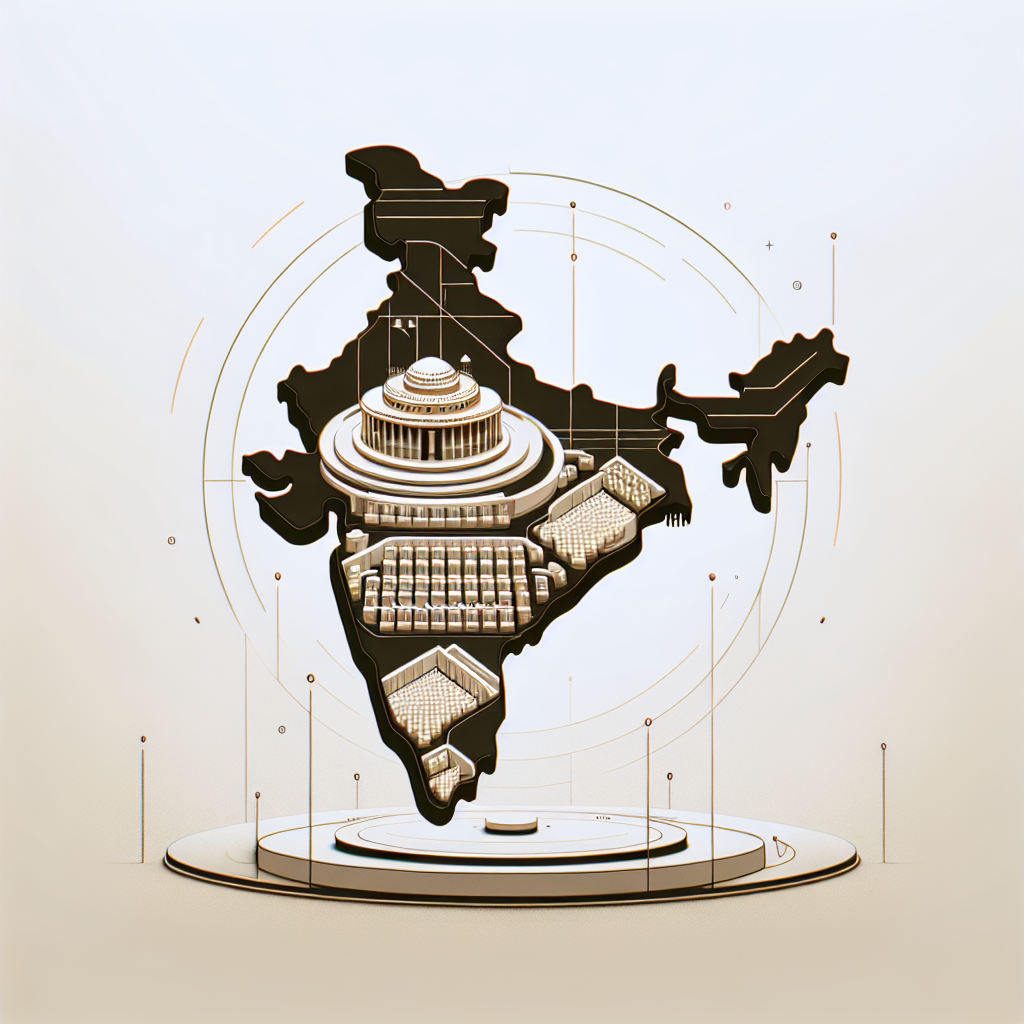
The recent debate in Parliament has focused on major changes proposed to how Lok Sabha seats are allocated. These bills, if passed, would reshape the size and composition of the lower house and alter political arithmetic across states.
This article breaks down what each bill does, who it helps or hurts, and why opposition and support are both strong. Read on for a clear, simple take on the likely impacts.
Why these changes matter
Delimitation affects representation, funding, and local power. A larger Lok Sabha means more MPs, new constituency maps and different majorities for national parties.
For voters, it can change which MP represents them and how resources are distributed within states. That is why the debate has been long and intense.
Key changes proposed in the three bills
The bills cover seat count, reservation rules and the timeline for redrawing boundaries. Together they create a package that moves beyond small tweaks to deliver systemic shifts.
Bill 1: Increase in total seats
This bill proposes raising total Lok Sabha seats to 850. The change would add seats to faster-growing states, altering the balance between regions.
Under current rules a simple majority requires fewer seats; with 850 MPs, the threshold to form a government also rises.
Bill 2: Reservation and gender representation
The second bill adjusts how reserved seats are allocated and includes measures that could raise the number of women MPs significantly after the next delimitation cycle.
These rules aim to increase inclusion but critics say the method of allocation needs more checks to protect smaller communities.
Bill 3: Timeline and technical rules
This bill sets the timetable for when new boundaries come into force and lays out technical criteria for redrawing constituencies.
It also defines how census data will be used, which affects when new seat counts take effect in elections.
Political and representation impact
Increasing seats shifts political weight toward states with higher population growth. Parties strong in those states stand to gain more influence at the national level.
Smaller states may see reduced relative power. The change also matters for coalition math and the number of MPs needed for a stable majority.
Criticisms and main concerns
Opponents point to rushed timelines, possible gerrymandering and insufficient safeguards for fair representation. They argue the three bills together could tilt advantages toward certain parties.
Supporters counter that the updates reflect demographic realities and can broaden representation if implemented transparently.
How this affects future elections
If these laws are in place before the next general election, parties will have to adjust strategies for campaigning and candidate selection across new or altered constituencies.
Voter outreach, local alliances and resource allocation would all change as political actors react to the new map and seat counts.
Understanding the specifics of each bill helps voters and analysts see which groups gain or lose influence, and why the 18-hour debate in Parliament matters for India’s democratic setup.