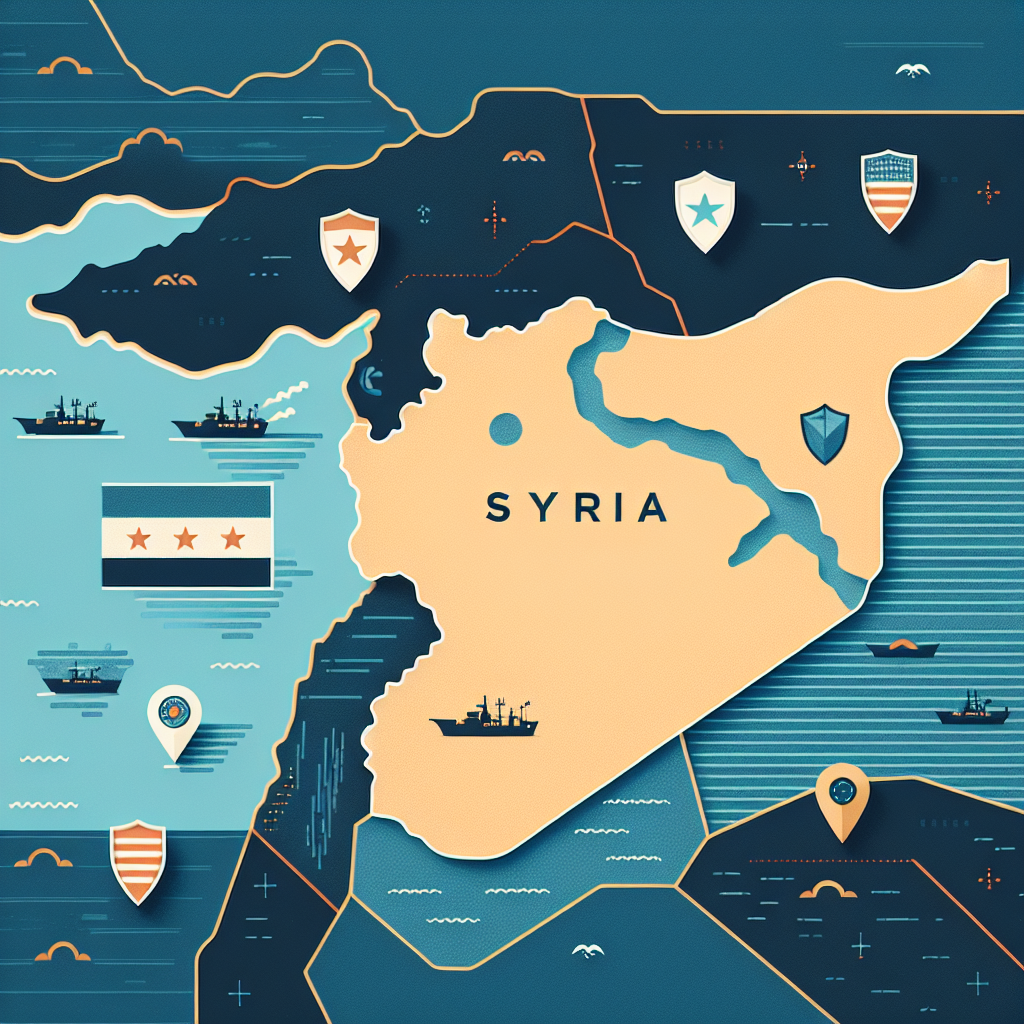
The recent spike in friction between Iran and the United States has pushed neighbouring states to clarify their positions. Syria, long entangled in regional rivalries, has now outlined a measured response that reflects both caution and strategic calculation.
Understanding Damascus’s stance helps explain possible shifts in alliances, the risks for nearby countries, and how local incidents could reverberate across the Middle East.
What Syria officially declared
Syria has signalled that it will not engage proactively in a wider Iran-US confrontation. Officials describe their policy as reactive — acting “only if attacked” — rather than joining any offensive moves.
This declaration balances loyalty to allies with a desire to avoid further destruction on Syrian soil after years of civil war.
Why wording matters
The phrase ‘only if attacked’ serves several purposes. It sends a warning to would-be aggressors while providing room for diplomatic de-escalation.
At the same time, it reassures states that fear spillover, such as neighbouring Jordan and Turkey, that Syria is not seeking to widen the war.
Immediate implications for regional security
A restrained Syrian posture reduces the immediate chance of a multi-front escalation. Yet the situation remains fragile because non-state actors and proxy groups can act independently.
Even limited clashes could drag in regional players, changing calculations for Israel, Lebanon, and Gulf states.
Risks to air and maritime routes
Airspace and shipping lanes near Syria and the eastern Mediterranean could face disruptions. Attacks on bases or supply lines would have economic and military consequences.
Commercial shipping insurers and regional ports watch these developments closely for any sign of escalation.
How Syria’s choice reflects broader alliances
Syria’s measured line is shaped by its ties to Iran, Russia, and local militias. Those relationships give Damascus leverage but also constrain its freedom to act unilaterally.
By staying defensive, Syria maintains its relationships without immediately committing to offensive operations that could trigger direct confrontation with the US or Israel.
Balancing Russia and Iran
Russia’s role as a power broker in Syria encourages caution; Moscow prefers controlled responses and diplomatic channels over unpredictable conflict.
Iran’s regional posture, however, remains more confrontational in some theatres, which keeps pressure on Damascus to navigate a careful middle path.
Possible scenarios and what to watch next
Analysts highlight three main scenarios: continued deterrence and low-level skirmishes, targeted strikes that remain limited in scope, or a miscalculation that escalates into broader conflict.
Key indicators to watch include movement of foreign troops, missile or drone strikes, and statements from allied militias on the ground.
- Low-intensity clashes: localized incidents with limited spillover.
- Targeted retaliation: precise strikes aimed at specific bases or assets.
- Escalation risk: cascading responses by proxies or regional militaries.
Domestic pressures in Syria, such as economic strain and reconstruction needs, also make a prolonged new conflict costly for Damascus.
At the same time, external actors may use Syria as a stage for messaging or limited retaliation, so vigilance is likely to remain high.
For India and other neutral observers, the priority is monitoring humanitarian impacts and regional trade disruptions as tensions persist.