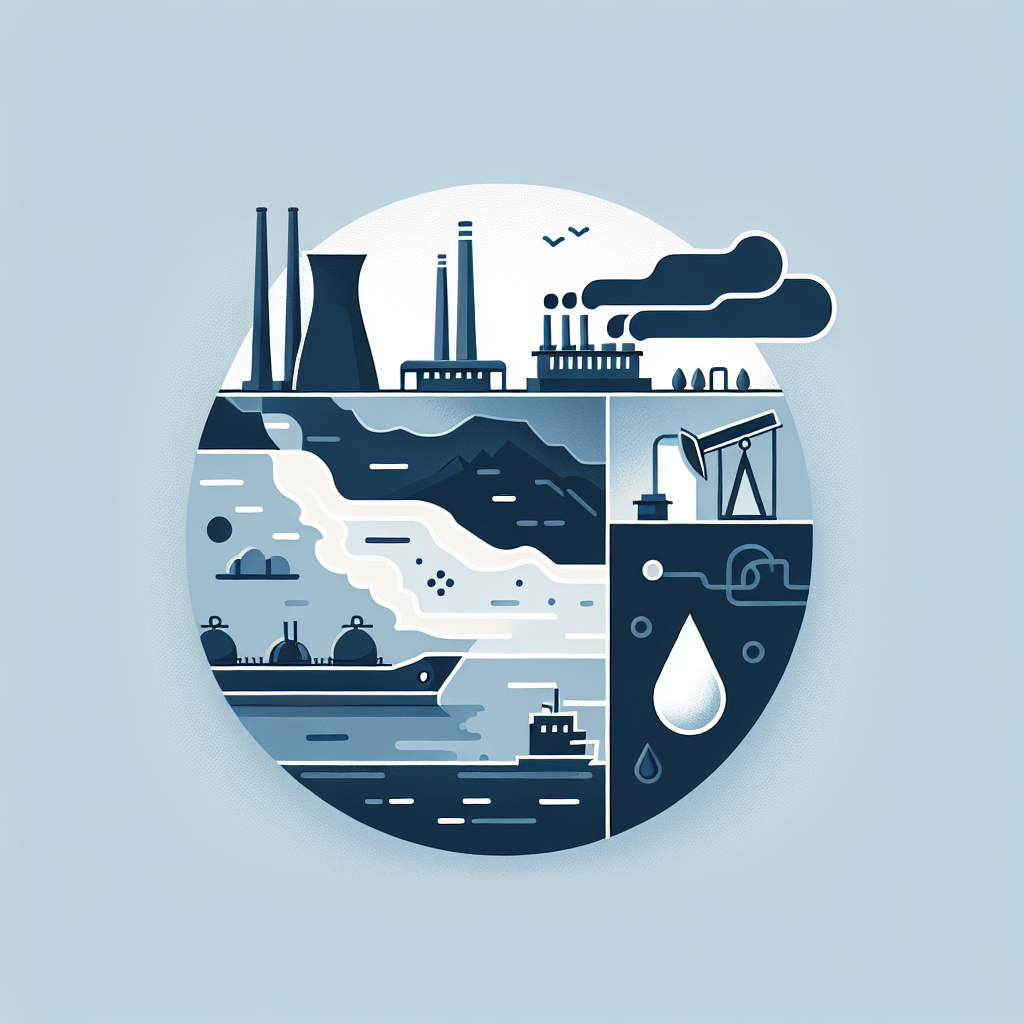
Recent reports suggest Iran has prepared a focused strategy to pressure opponents by targeting critical energy nodes. The approach shifts conflict from traditional battlefields to infrastructure that keeps cities and economies running.
This article explains the four main types of targets, how attacks could ripple through markets and daily life, and what vulnerabilities make energy systems attractive to state-level sabotage.
Which energy assets are reportedly targeted
Officials and analysts point to four broad categories: chokepoints for shipping, power generation facilities, foreign energy firms, and Gulf countries’ utility systems. Each type poses distinct tactical value and consequences if struck.
Strait of Hormuz and shipping lanes
The Strait of Hormuz is a critical chokepoint for global oil exports. Disruptions there can quickly raise tanker insurance rates, slow shipments and spike global crude prices.
Power plants and grid infrastructure
Targeting power stations—thermal, gas or major substations—can cause cascading blackouts. Urban centers and industrial zones face immediate impact from prolonged outages.
Foreign energy companies and assets
Strikes against offshore platforms or company facilities overseas can scare investors, force shutdowns and hurt production for months. Insurance and repair costs also climb steeply.
Gulf states’ water and electricity systems
Many Gulf countries rely on integrated plants for both power and desalination. Damaging these weakens both electricity supply and potable water availability, creating humanitarian stress quickly.
How an attack campaign could affect global energy markets
Even limited disruption in any of these areas can reverberate worldwide. Markets react to uncertainty faster than to confirmed damage, so prices can jump on threats alone.
Oil price shocks and supply rerouting
When shipping through Hormuz is threatened, tankers may take longer, costlier routes. That raises shipping costs and shortens visible spare capacity, pushing oil prices up.
Electricity shortages and industrial slowdown
Power outages hurt factories, refineries and water treatment plants. Reduced industrial output damages economies and may lower domestic fuel demand temporarily while harming supply chains.
Risks for civilians and essential services
Attacks on energy systems quickly translate into real-life hardships. Hospitals, telecoms and water plants depend on steady power; outages endanger health and disrupt daily routines.
Water security and public health
When desalination units lose power, clean water supply drops. That puts pressure on public health services and can accelerate displacement or unrest in affected areas.
Economic pain and inflation
Higher energy prices feed into transport and food costs. For import-reliant economies, even short-term spikes can trigger inflation and strain household budgets.
Mitigation options and likely responses
Governments and companies can reduce risk through hardening, redundancy and diplomatic measures. Naval escorts, diversified supply lines and strategic reserves blunt immediate shocks.
Hardening and redundancy
Upgrading grid resilience, decentralising generation, and protecting critical nodes reduce single-point failures. Backup water and power systems for hospitals are especially important.
Diplomatic and market tools
Strategic petroleum reserves, international insurance pools and coordinated patrols can stabilise markets and keep trade flowing while tensions persist.
Energy infrastructure sits at the intersection of geopolitics and everyday life, so any strategy that weaponizes it raises complex risks for nations and civilians. Monitoring vulnerabilities and improving resilience are key to reducing the potential damage from such campaigns.