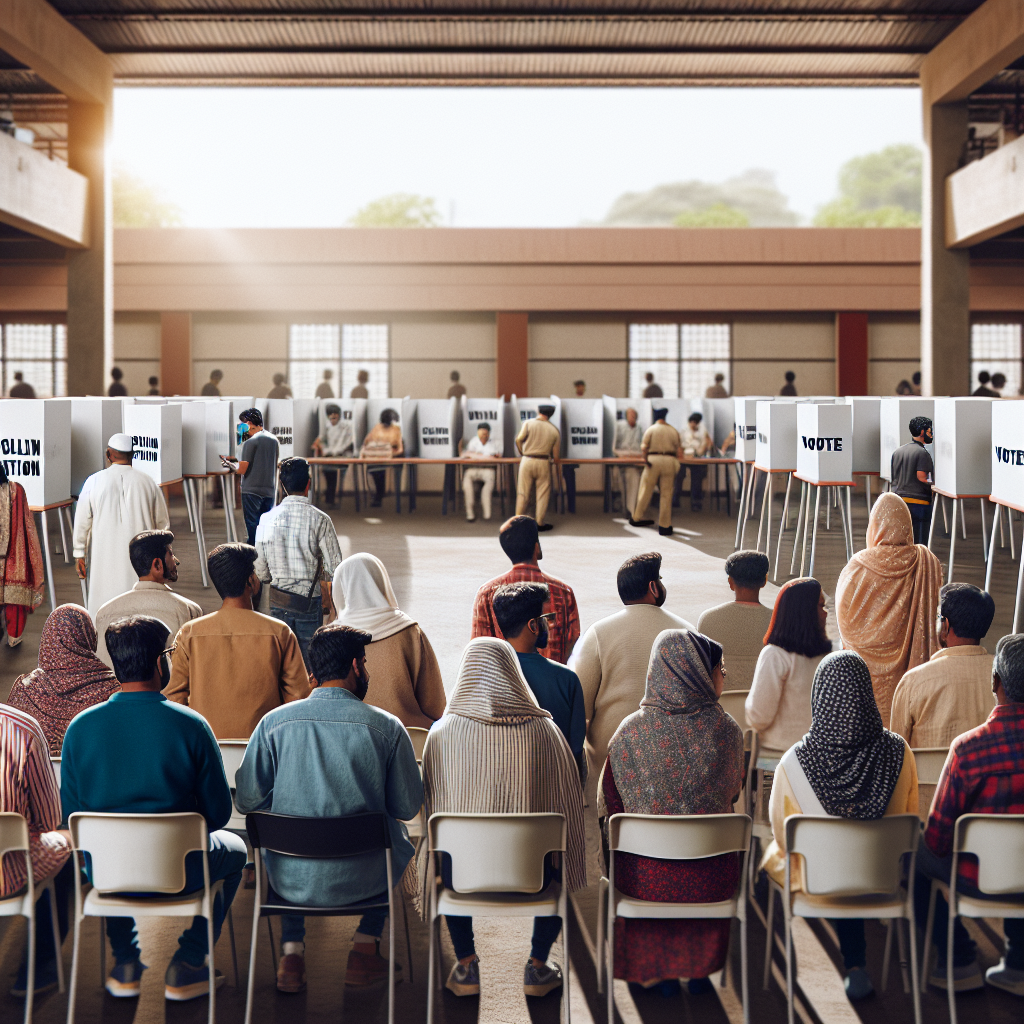
Voters in the first phase of West Bengal’s assembly polls delivered turnout north of 92%, an unusually high figure that has shifted attention across political lines. This surge in participation adds new uncertainty to an already tense contest between the main parties.
Both national and regional players are interpreting the turnout to their advantage. Analysts say the number alone won’t determine winners, but it changes campaign dynamics and the math in several close seats.
Why turnout jumped so high
Several factors combined to produce the exceptional turnout. Local issues, strong ground mobilization, and a polarized political atmosphere pushed more people to polling booths than in recent cycles.
Another element was intensive campaigning by candidates at the booth level and visible security arrangements that reassured many voters. Youth participation and first-time voters also boosted numbers in urban and semi-urban pockets.
Polling logistics and security
Improved polling infrastructure, added booths, and early voting options in some areas reduced waiting times. Visible central and state security forces made many voters feel safe to cast their ballots, even in tense localities.
Voter motivations
Economic concerns, local governance, law-and-order perceptions, and identity politics motivated turnout. For many, it was about choosing a government that can deliver basic services rather than only national narratives.
Who stands to gain from high turnout?
Parties are already framing the turnout as proof of momentum. One camp says the high turnout validates their ground strength; the other views it as a sign of consolidated support against them.
In reality, benefits depend on where the added votes came from—urban centers, rural belts, or specific communities. Parties that managed targeted outreach in swing areas are likelier to convert turnout into seats.
BJP perspective
The BJP highlights the turnout as an endorsement of its narrative around national issues and security. Their claim rests on converting enthusiasm into votes in closely contested constituencies.
TMC perspective
The regional party frames the numbers as a show of grassroots strength and effective local governance. Their focus remains on retaining traditional strongholds and cutting into opposition gains.
Implications for key constituencies
High turnout raises the stakes in marginal seats where victory margins are often narrow. Candidates in districts with mixed rural-urban composition will feel the greatest impact.
Watch for shifts in assembly segments where youth enrolment and new voters increased sharply. These areas can unexpectedly tilt overall seat counts if one party secures concentrated support.
Swing districts to watch
Districts with recent development debates or strong local leaders are critical. Election outcomes there can set the tone for subsequent phases and influence coalition calculations post-results.
What to expect in the next phases
The first-phase turnout creates a narrative momentum but does not decide the final result. Future phases may see either a dampening effect as the most active areas are already polled, or a similar surge if campaigns intensify.
Analysts will monitor turnout patterns, NOTAs, and booth-level data to assess real swings. Early leads from the first phase will shape media and voter perceptions going into later polling days.
High participation is a reminder that voter engagement can alter traditional calculations. The final picture will emerge only after votes are counted and seat distributions are analyzed.