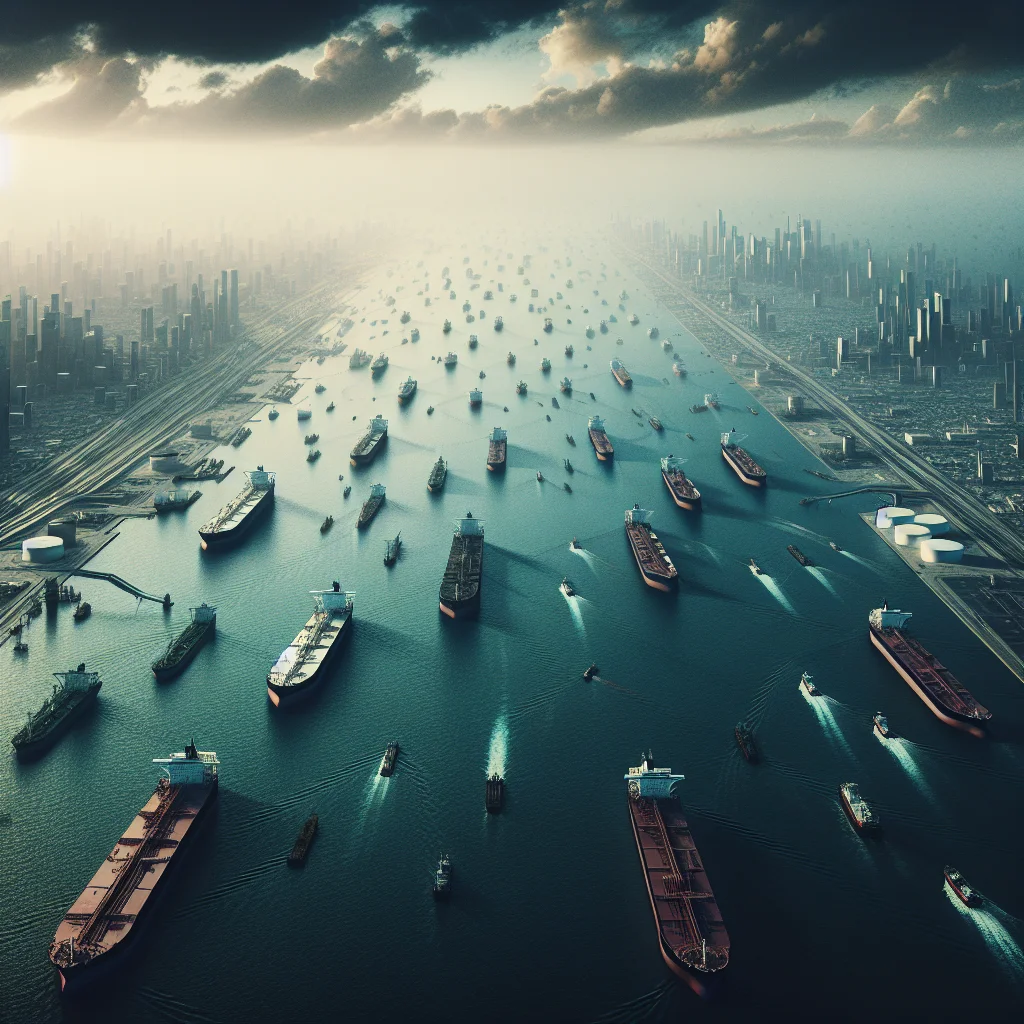
The sudden closure of a vital sea lane can ripple through global markets in hours. A targeted blockage of the Strait of Hormuz halted a large share of oil and gas shipments, creating immediate shortages and price volatility worldwide.
This post explains how a chokepoint tactic worked, why it hit so hard, and what the short to medium-term implications are for energy security and geopolitics.
What happened in the Strait of Hormuz
Ships carrying oil and gas were unable to pass through a narrow but crucial waterway. The stoppage forced rerouting, delays at terminals, and a scramble for immediate supplies.
Daily flows that normally account for a big slice of global seaborne energy were disrupted, and markets reacted with sharp price moves.
Quick timeline and immediate effects
The closure began as a direct response to military or diplomatic pressure. Within days, tanker traffic fell dramatically and insurance and freight costs rose.
- Major volumes were stuck or rerouted around longer passages.
- Spot prices spiked and futures markets tightened.
- Countries dependent on timely shipments faced urgent inventory shortfalls.
How choke-point warfare works
Choke-point warfare uses geography to leverage political or military aims. Narrow straits, canals, and ports become force multipliers when access is limited.
A small number of assets can create outsized effects by blocking transit, threatening vessels, or raising the cost of passage through legal and physical means.
Tactics and levers
Typical tools include naval presence, mining, denial of port services, and legal restrictions. These measures are often calibrated to avoid full-scale war while still producing economic pain.
Why it becomes effective quickly
Global trade and energy systems run on tight schedules and low spare capacity. A sudden disruption forces buyers to compete, and that competition drives rapid price changes.
Economic and energy impacts
When a significant share of seaborne oil and gas is blocked, the immediate victims are refined product markets and short-term supply contracts.
Higher shipping insurance, detours, and panic buying multiply the direct supply gap into broader economic effects.
Price shocks and market dynamics
Prices can jump steeply as traders price in scarcity and risk. Volatility rises because uncertainty about the duration of the blockage remains high.
- Refiners may cut runs if feedstock becomes scarce.
- Importers search for alternative sources, often at higher cost.
Wider economic ripple effects
Beyond energy, higher transport costs and inflationary pressure hit manufacturing and consumer prices. Emerging economies with limited buffers feel the strain faster.
Global responses and legal dimensions
States and companies face a choice: respond with force, diplomacy, or market adaptations. Each path carries trade-offs in cost, time, and risk.
International law covers freedom of navigation, but enforcement depends on political will and naval presence near the chokepoint.
Diplomatic and naval options
Coalitions can escort commercial traffic or pressure the blocking state through sanctions and talks. Naval deployments deter but do not guarantee uninterrupted passage.
Legal limits and practical constraints
Legal claims are useful for long-term pressure and justification, but they rarely reopen a sealed waterway quickly. Real change often requires negotiation or a shift in the strategic balance.
In the months after a major chokepoint event, markets, navies, and diplomats adjust. Some supply lines find new routes, others slow permanently, and buyers rethink inventory strategies. The episode highlights how a geographically small move can force global recalibration of energy security and trade routes.